


JB Rader The Godfather of Moonshine and Appalachian Legacy

Some legends are built in public. JB Rader’s was built in the hollows, around copper, cold spring water, corn, smoke, and the quiet trust of people who knew better than to talk too much.
To fans of Appalachian moonshine history, JB Rader stands as a bridge between two worlds. One is the old mountain world, where whiskey making was a guarded skill, shared through family, neighbors, and hard living. The other is the modern world of documentaries, television crews, legal distilleries, and collectors who speak of outlaw liquor as heritage.
That is why JB’s story matters. He is remembered not only as a moonshiner, but as one of the last public faces of a tradition that once ran through the hills of East Tennessee and Western North Carolina like an underground stream.

JB Rader came from a world where moonshine was survival
To understand JB Rader, you have to understand the mountains that shaped him.
Appalachian moonshining did not begin as entertainment, rebellion, or nostalgia. For many families, it began as a way to survive. Corn could spoil, rot, or sell for too little. Turned into whiskey, it became easier to move, easier to trade, and more valuable. In hard country, people learned to use what they had.
That does not erase the legal risk. Untaxed liquor brought revenuers, raids, arrests, fines, and prison time. The trade lived in the shadows for a reason. Still, in many mountain communities, the skill carried a kind of respect. A good distiller needed patience, memory, nerve, and a fine sense for small changes that other people would miss.
JB Rader belonged to that older school.
He learned before stainless tanks, digital thermometers, and tourist tastings became part of the moonshine story. His reputation grew from hands-on knowledge, the kind passed along shoulder to shoulder. People who talk about his craft often mention the same elements:
Clean mountain spring water
A good source mattered because water shaped the final character of the liquor.
Copper still work
Old-time distillers valued copper for the way it handled heat and helped create a cleaner spirit.
Local grain and simple ingredients
Traditional corn liquor came from practical farm materials, not branding ideas.
Judgment by sense and experience
Temperature, sound, smell, and taste guided decisions when no digital readout was nearby.
Those details can sound romantic now, but they were serious work. A still site had to be hidden. A run could not draw attention. Fire, steam, pressure, and law enforcement all carried danger. The people who became known for doing it well did not get there by accident.
JB’s public image later became warm, humorous, and rough-edged in the way viewers expect from mountain reality television. But behind that image was a deeper truth. He represented a practical, highly specific craft rooted in place.
The old Appalachian craft was more than a recipe
Moonshine stories often get reduced to one question: what was in the recipe?
That misses the point.
In traditional mountain distilling, a recipe was only one piece of the craft. The real knowledge lived in timing, weather, equipment, water, grain, fire control, and judgment. Two people could begin with the same basic ingredients and end with very different liquor.
JB Rader’s reputation came from that full body of knowledge. He understood the rhythm of old-style distilling, not as a hobby, but as a lived practice.
A copper pot still was not just a tool. It was a piece of handmade working equipment. A hidden spring was not just scenery. It was part of the supply chain. A remote hollow was not just a dramatic backdrop. It was protection.
That is one reason people place JB in the same conversation as the most recognized names in modern moonshine lore. He carried the habits of the old makers, the ones who worked outside attention and rarely explained themselves to strangers.
There is also a moral complexity here. Moonshining has long been tied to poverty, tax resistance, community loyalty, and crime. It can be foolish to smooth all of that into a clean folk tale. The trade created danger and legal consequences. It also preserved skills and stories that shaped regional identity.
JB’s legend sits inside that tension. He was admired because he came from the real thing, not a polished imitation.
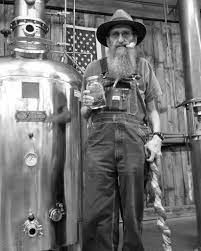
His bond with Popcorn Sutton made the legend larger
JB Rader was known in mountain circles before a wider audience learned his name. His public legend grew through his connection with Marvin “Popcorn” Sutton, the Cocke County moonshiner who became one of the most recognizable figures in outlaw distilling history.
Popcorn Sutton had the look, the voice, and the defiant streak that cameras loved. He also had real roots in the craft. His books, interviews, film appearances, and legal troubles turned him into a symbol of the last outlaw moonshiner, even as the world around him changed.
JB was closely tied to that story.
He was remembered as Popcorn’s trusted friend, working partner, and one of the few people with the standing to speak about the craft from inside the same tradition. Their bond mattered because old moonshining was built on trust. You did not share a still site, a method, or a run with just anyone. In that world, confidence was currency.
The 2002 documentary The Last One helped cement Popcorn Sutton’s place in American folk history. The film followed what was presented as one of Popcorn’s final traditional moonshine runs, giving viewers a rare look at a culture that was already fading from view. JB’s association with Popcorn and that circle gave his own name more weight outside the mountains.
After Popcorn’s death in 2009, many fans looked to JB as one of the few remaining people who could speak with real authority about that old way. Stories often repeat the idea that Popcorn trusted JB to help carry the knowledge forward. Whether told in interviews, fan discussions, or moonshine circles, that belief became a key part of JB Rader’s public identity.
He was not simply a side character in another man’s story. He became a keeper of memory.
Television brought JB to a much wider audience
Reality television changed moonshine culture in a dramatic way.
For generations, people avoided cameras. Faces stayed hidden. Names stayed out of conversations. Then shows about moonshining brought the language, characters, tools, and settings of the trade into living rooms across the country.
JB Rader became familiar to many viewers through Discovery’s Moonshiners, the long-running series that blends heritage, personality, reenactment, and modern distilling culture. For people who had never driven a mountain road in Tennessee or North Carolina, JB looked and sounded like a direct line to the past.
Television gave him a new role. He was no longer only a man known by locals or serious moonshine followers. He became a recognizable figure to fans who admired old craft, outlaw folklore, and Appalachian storytelling.
The screen version of any real person is always limited. A television show shapes scenes, highlights conflict, and chooses what to leave out. Still, JB’s appeal came through because it felt grounded. He had the weathered presence of someone who had lived the subject long before it became content.
That made him different from people trying to perform an Appalachian image. JB did not need a costume. He had the voice, the memory, and the easy authority of experience.
For viewers, he helped answer a question that sits at the heart of shows like Moonshiners: what remains when an illegal trade becomes a public tradition?
JB’s answer was simple, even if he never framed it that way. The craft remains in the people who learned it the old way.

The title Godfather of Moonshine fits because he carried authority
Calling someone a godfather can sound like hype. In JB Rader’s case, the phrase points to a specific kind of status.
He was not famous because he invented moonshine. He was not famous because he turned the craft into a polished luxury brand. He became known because he stood near the end of a long line of traditional mountain makers who learned through practice, risk, and trust.
That is what the title Godfather of Moonshine suggests. It describes an elder figure. Someone who knows the old rules. Someone connected to the people, places, and stories that shaped the culture before it became widely commercial.
JB’s authority came from several things working together:
Old-world knowledge
Connection to Popcorn Sutton
Public visibility
Cultural memory
He represented hands-on Appalachian distilling skills passed through lived experience.
His friendship and working bond with Popcorn placed him close to one of moonshine’s best-known modern legends.
Documentary and television appearances introduced him to viewers far beyond the mountains.
He helped keep attention on the people behind the craft, not just the bottles.
That last point matters most. Legal moonshine is now a major part of tourist culture in parts of Appalachia. Visitors can buy flavored spirits, take distillery tours, and hear stories that once would have been whispered. The business has changed, but the public hunger for authenticity has only grown.
JB gave that hunger a face. He reminded people that moonshine was not born in a gift shop. It came from remote places, hard choices, deep poverty, pride, and technical skill.
His legacy is tied to Appalachian identity
Appalachia is often misunderstood. Outsiders have long flattened the region into stereotypes of poverty, isolation, and backwardness. Moonshine stories can make that problem worse when they treat mountain people as jokes or curiosities.
JB Rader’s story offers a better way to look at the culture, as long as it is told with care.
Moonshining in Appalachia grew from land, law, farming, taxation, family ties, and distrust of outside authority. It was not a cartoon. It was part of a wider history in which rural people tried to hold onto independence in an economy that often gave them few good options.
That does not mean every moonshiner was noble. It does mean the tradition deserves context.
JB’s appeal came from how naturally he carried that context. His manner, speech, and knowledge reflected a place where skills mattered because comfort was never guaranteed. In the mountains, a person who could build, repair, hunt, grow, trade, and make something valuable from raw materials earned respect.
Moonshine was one expression of that self-reliance.
It also fed a powerful storytelling culture. Appalachian communities have always prized stories, sometimes funny, sometimes grim, often shaped by exaggeration and memory. JB fit that tradition. His legend lives not only in facts, but in the way people talk about him.
That is how folk figures endure. They become a way for people to remember a world that is slipping from view.
The modern moonshine world owes a debt to people like JB
Today, moonshine occupies a strange place in American culture.
On one side, it is a legal product sold in mason jars and displayed in tasting rooms. On the other, it still carries the thrill of outlaw history. Brands borrow the language of hills, copper, secrecy, and family recipes because those images sell.
The trouble is that marketing can strip away the real people. It can turn a rough and risky tradition into a slogan.
JB Rader’s legacy pushes back against that. He reminds fans that the old craft had names, faces, friendships, losses, and consequences. It was not just liquor. It was a way of life for people who knew the land and accepted serious risks.
Modern distillers who honor that history should do more than copy the look. They should respect the source. That means telling accurate stories, acknowledging the legal dangers of the old trade, and giving credit to the mountain communities that kept the knowledge alive.
For fans, the same rule applies. Enjoy the shows. Visit the legal distilleries. Read the histories. But do not mistake the commercial version for the whole truth.
The real story is older, harder, and more human.

Why JB Rader still matters
JB Rader matters because he stood at a crossroads.
Behind him was the old hidden world of Appalachian moonshine, built on spring water, copper stills, corn, danger, and trust. Beside him was the memory of Popcorn Sutton, whose legend helped carry outlaw distilling into modern folklore. In front of him was a new era, where cameras, licensed spirits, and national audiences changed how people understood the craft.
JB became one of the figures who connected those worlds.
His story is not only about liquor. It is about memory, place, skill, reputation, and the way a community’s private knowledge can become part of American cultural history. The best way to remember him is not as a character from television, but as a bearer of Appalachian tradition.
The mountains made the moonshine. People like JB Rader made sure the story did not disappear.


Comments